


Sarasota Tree Identification Guide
The Sarasota tree palette may seem overwhelming at first glance. Not to worry. The vast majority of the trees in this region come from a small group of staple trees including live oaks, slash pines, and crape myrtles. The native live oak (Quercus virginiana) being the most widely planted shade tree in Central Florida.

Sarasota Tree Species
-
Hardiness Zone
-
Sarasota lies in both hardiness zones 9b and 10a. So, even though most of the photos in the tree guide were taken in Sarasota, the same information applies to most of Central and South Florida from Orlando to Naples.
-
-
Species Diversity
-
There are areas in Sarasota where you will run into certain groupings of the same species. For example, along the beaches are big Australian pines. Large hickory trees can be found in the Indian beach area. When builders constructed homes in the Lake Sarasota neighborhoods, water oaks were the popular choice. To see a wide diversification of shade trees, walk through Bayfront Park and Gulfstream Avenue.
-
-
Grand Trees
-
Both the city of Sarasota and unincorporated Sarasota county recognize the many benefits of our trees. With this in mind, when certain species of trees such as live oaks reach a certain size they are designated as "grand trees" and are protected by law.
-
-

The Urban Forest
-
Urban Tree?
-
Trees evolved growing in forests, in stands amongst other trees. They are not accustomed to the "urban" environment with parking lots, pollution, and people. Urban trees are the name we give trees that we adapt to homes, parks, and cities so people and trees can coexist.
-
-
Native Tree?
-
Florida native trees are ones that evolved here in the wild. They are a great choice because they are acclimated to our climate and soils and have proven to live harmoniously with other species of plants and trees.
-
-
Invasive Tree?
-
Invasive trees are trees that have been introduced from foreign lands, that grow too aggressively, displacing native plants, trees, and habitat. Depending on the severity of the proliferation, the Florida Invasive Species Council (FISC) will categorize the "exotic" plant as either a type one or type two invasive.
-
-
Tree Guide

Australian pine
Casuarina equisetifolia

Avocado
Persea americana

Bald Cypress
Taxodium distichum

Banyan Tree
Ficus benghalensis

Bischofia
Bischofia javanica
Black Olive
Bucida Buceras 'Shady Lady"

Bottle Brush
Callistemon spp.

Brazilian Pepper
Schinus terebinthifolius

Camphor
Cinnamomum camphora

Carrotwood
Cupaniopsis anacardioides

Chinese Tallow
Sapium sebiferum

Citrus
Citrus spp.

Crape Myrtle
Lagerstroemia spp.

Cuban Laurel
Ficus microcarpa

Drake Elm
Ulmus parvifolia 'Drake'

Fiddle Leaf Fig
Ficus lyrata

Florida Elm
Ulmus americana

Floss Silk Tree
Chorisia speciosa

Golden Rain Tree
Koelreuteria elegans

Hickory
Carya glabra

Hong Kong Orchid
Bauhinia variegata

Jacaranda
Jacaranda acutifolia

Jatropha
Jatropha integerrima
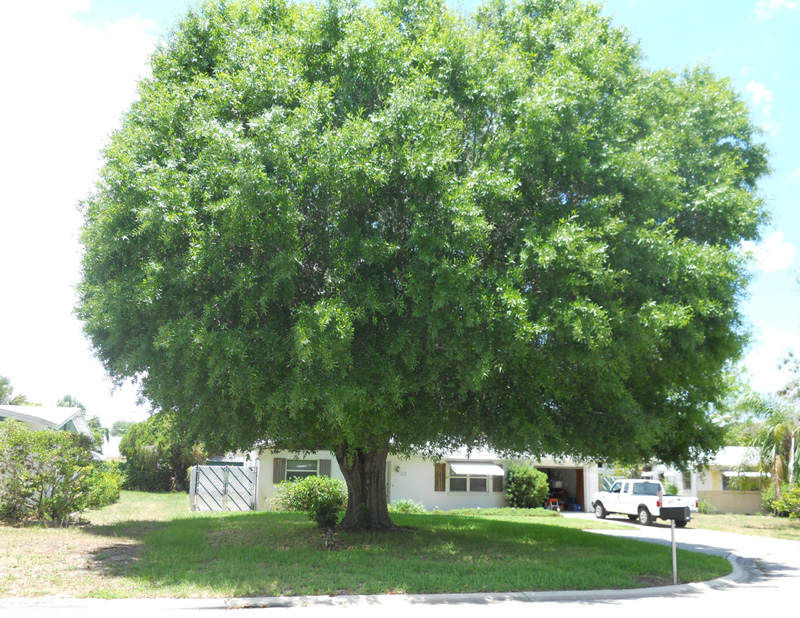
Laurel Oak
Quercus laurifolia

Ligustrum
Ligustrum japonicum

Little Gem
Magnolia grandiflora 'Little Gem'

Live Oak
Quercus virginiana

Loquat
Eriobotrya japonica

Mahogany
Swietenia mahagoni

Mango
Mangifera indica

Maple
Acer rubrum
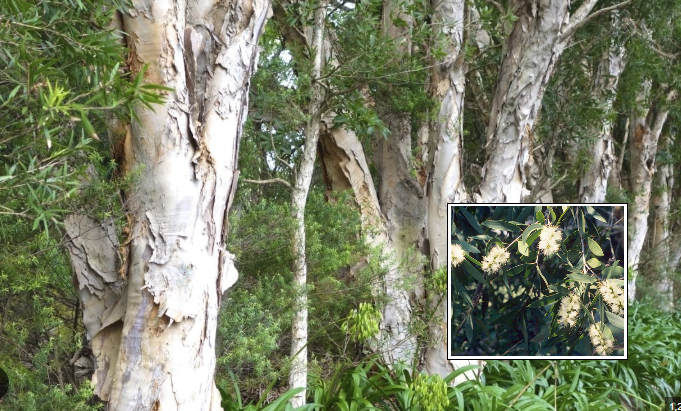
Melaleuca
Melaleuca quinquenervia

Mimosa
Albizia julibrissin

Norfolk Island Pine
Araucaria heterophylla

Pecan Tree
Carya illinoensis
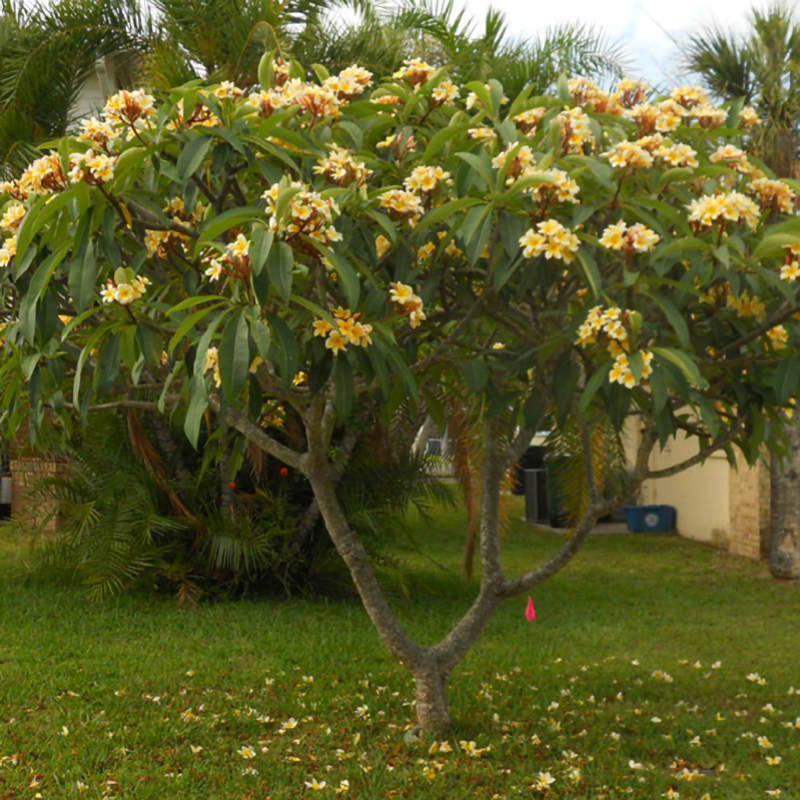
Plumeria
Plumeria spp.

Royal Poinciana
Delonix regia

Rubber Tree
Ficus elastica

Schefflera
Schefflera actinophylla

Sea Grape
Coccoloba uvifera
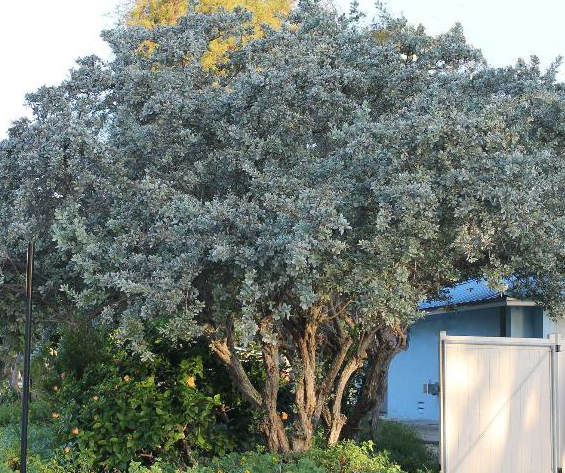
Silver Buttonwood
Conocarpus erectus var. sericeus

Slash Pine
Pinus elliotti

Southern Magnolia
Magnolia grandiflora

Southern Red Cedar
Juniperus silicicola

Strangler Fig
Ficus aurea

Sweetgum
Liquidambar styraciflua

Sycamore
Platanus occidentalis

Tabebuia
Tabebuia chrysantha

Weeping Fig
Ficus benjamina
